A high-quality celebration cake should have a well-baked sponge, balanced fillings, carefully chosen ingredients, stable decoration and appropriate storage. The clearest signs of quality are its texture, flavour, freshness and construction, not simply how attractive it looks.
Before ordering, you can evaluate a cake maker through photographs of real cakes, detailed product information, customer feedback and clear answers about ingredients and preparation. Once the cake is served, its internal layers and flavour provide the most meaningful test.
Here is what to look for when choosing a birthday, wedding or other celebration cake in Edinburgh.
1. A Good Sponge Should Be Moist, Evenly Baked and Pleasant to Eat
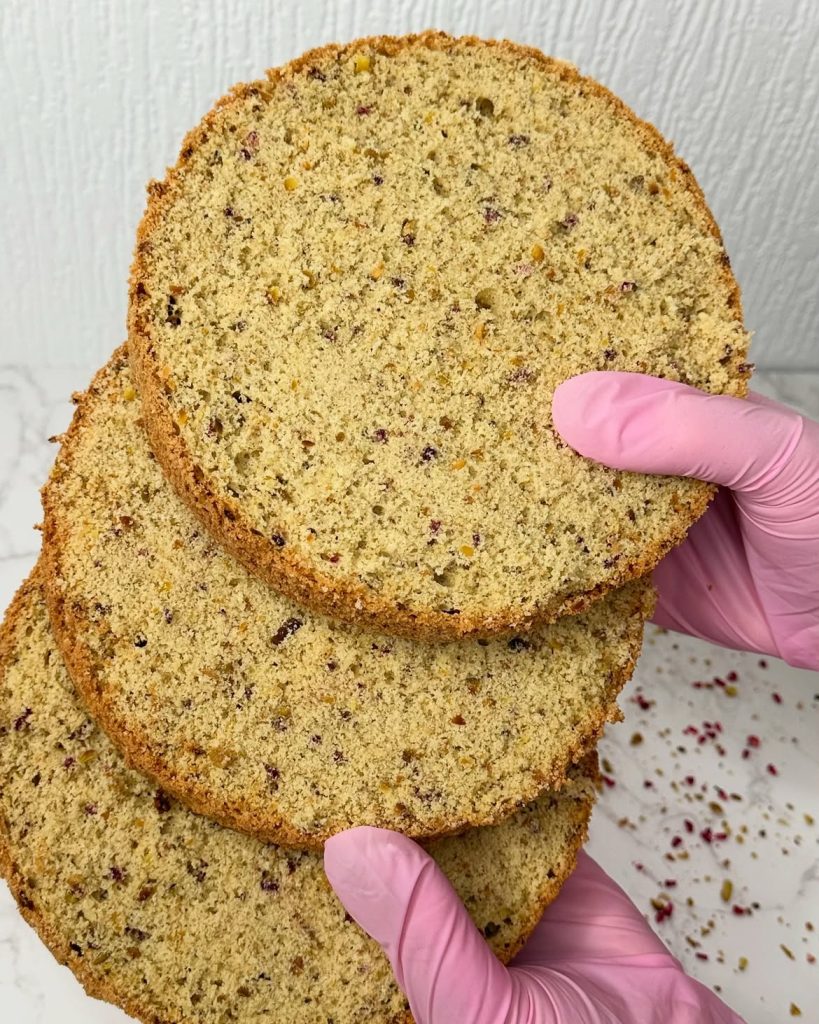
The sponge forms the foundation of most celebration cakes. Its texture affects not only flavour but also how successfully the cake supports its filling and decoration.
A well-prepared sponge should have a consistent crumb, appropriate moisture and a texture suited to its recipe.
For example, a vanilla sponge is usually expected to be relatively light and tender, while a rich chocolate cake may naturally have a denser structure. Honey-layer cakes develop a different texture as their layers soften in contact with cream.
Therefore, density alone is not evidence of poor quality.
However, unexpectedly gummy sections, dry edges or an excessively tough texture may indicate problems with baking, mixing or preparation.
The baking specialists at King Arthur Baking explain that both insufficient and excessive mixing can affect cake texture, sometimes producing dense or gummy results.
When examining photographs of a finished cake, pay attention to the consistency of the sponge layers. Although a photograph cannot prove that a cake tastes good, it can reveal useful details about its construction.
2. The Filling Should Balance the Flavour, Not Overpower It
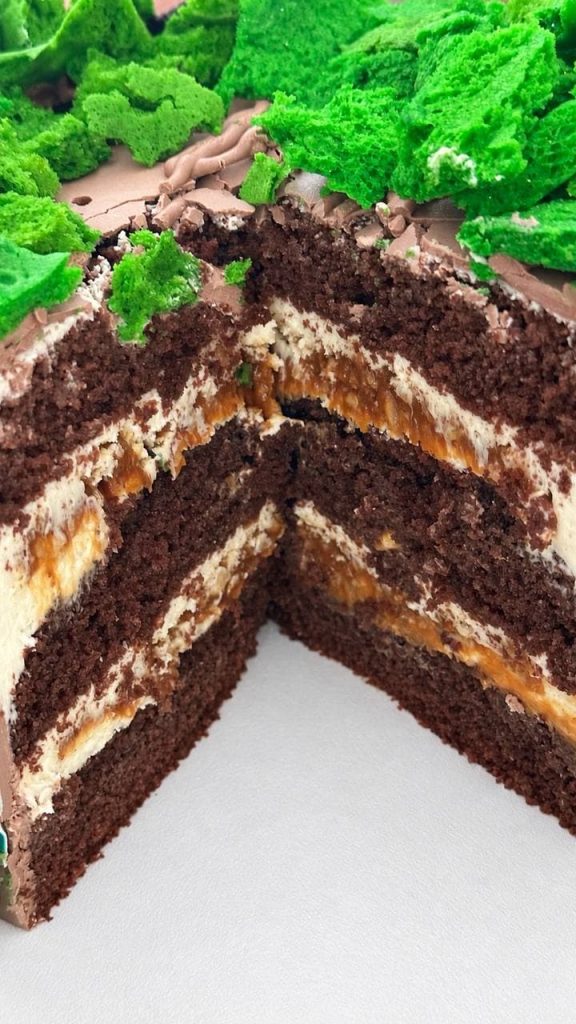
A beautiful sponge can still be disappointing when combined with an unsuitable filling.
The best celebration cakes are designed so that the sponge, cream and filling complement one another.
For example, chocolate and raspberry can work particularly well because the fruit introduces acidity that balances chocolate richness. Vanilla and strawberry create a gentler combination, while honey sponge and cream offer a different balance of sweetness and texture.
The type of cream matters too.
Buttercream, chocolate ganache, whipped cream and cream cheese frosting have different characteristics. Some provide a firmer structure, while others produce a lighter texture or more delicate flavour.
No single filling is universally superior.
What matters is whether the combination works as a complete recipe.
A useful question to ask your cake maker is: “Why would you recommend this filling with this particular sponge?”
An experienced professional should be able to explain how the flavours complement one another and whether the filling is appropriate for the design.
3. High-Quality Ingredients Must Be Used Correctly
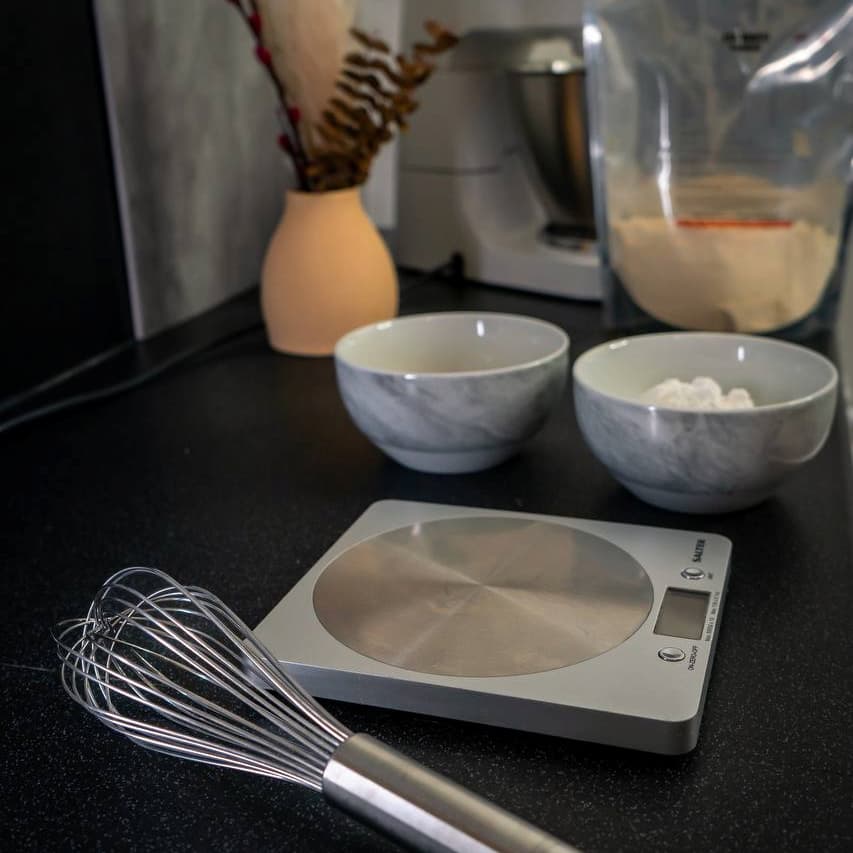
Good ingredients make an important contribution to a celebration cake, but their quality cannot be judged by price alone.
Chocolate, butter, flour, eggs, fruit and cream all influence the final flavour and texture. However, the way they are prepared and combined is equally important.
For example, chocolate with a higher cocoa percentage is not automatically better for every recipe. It may produce a more intense flavour, but the balance of sweetness and richness must still be considered.
Similarly, fresh fruit can introduce natural acidity and colour, but excessive moisture may affect the stability of a layered cake.
A professional cake maker should choose ingredients for their suitability, not simply because they sound luxurious.
The goal is a well-balanced dessert in which each ingredient serves a purpose.
When ordering, ask about the main ingredients and available flavour combinations. If particular ingredients are important to you, confirm their use rather than relying on general claims such as premium or artisan.
4. Professional Decoration Should Be Beautiful and Structurally Sound
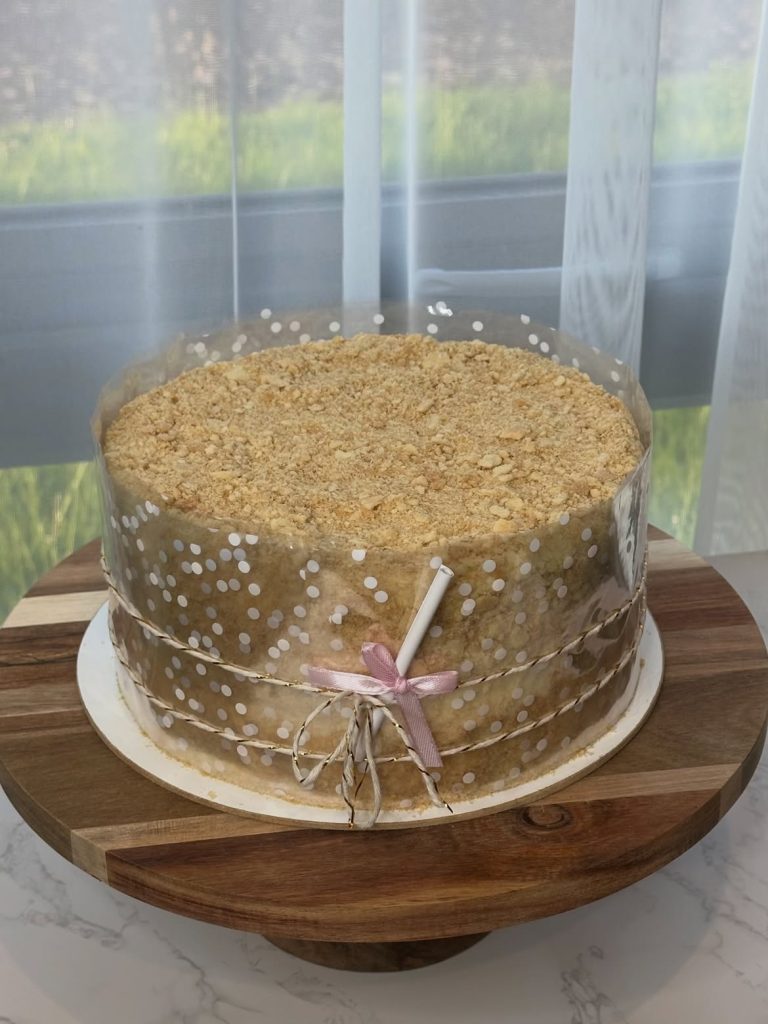
Decoration is often the first feature customers notice, particularly when choosing a wedding or birthday cake.
However, elaborate decoration does not automatically indicate superior craftsmanship.
A minimalist cake with smooth buttercream, clean edges and carefully positioned details can require considerable precision.
More complex designs introduce additional structural challenges.
For example, a tall cake may need internal support to prevent its layers from shifting. Multi-tiered wedding cakes require appropriate construction, while decorative elements must be attached securely.
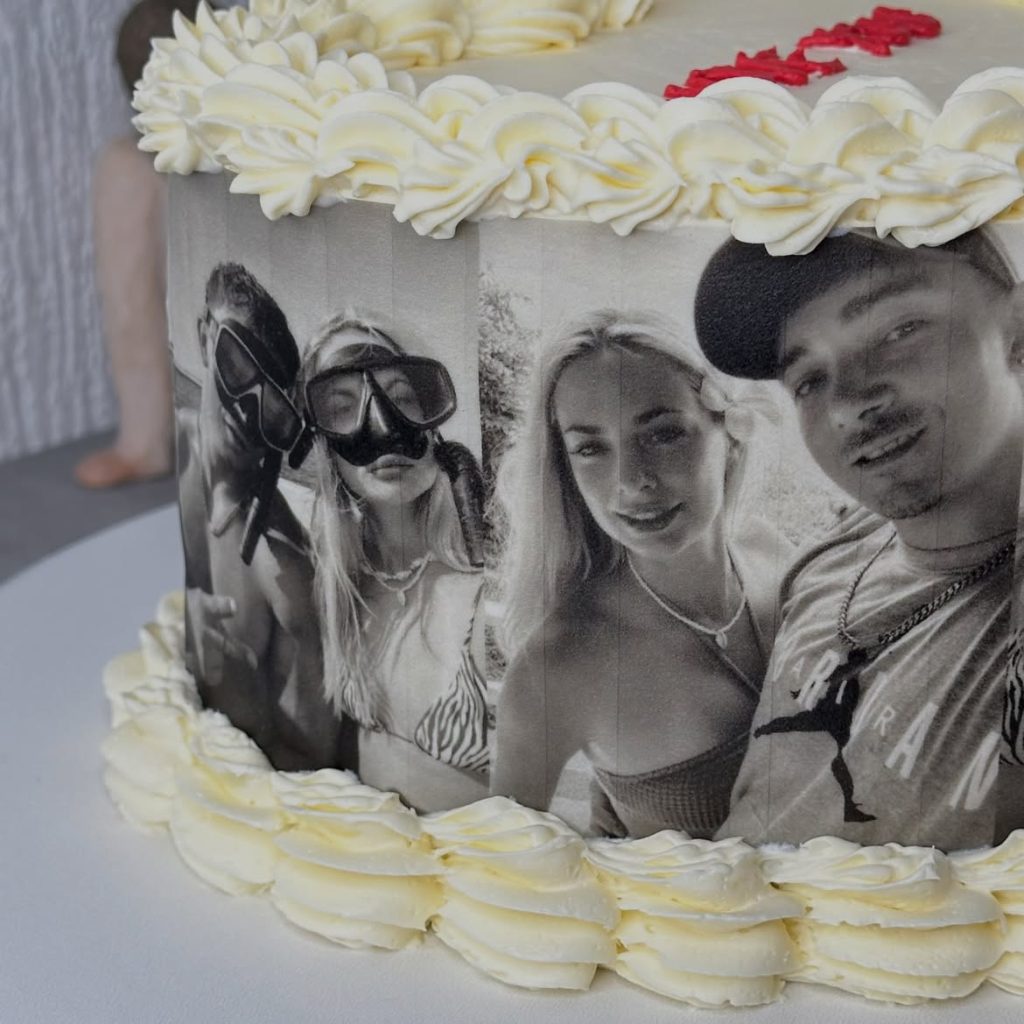
When evaluating a finished cake, look for consistent proportions, stable layers and a neat overall appearance.
Where decorations include non-edible supports or accessories, the maker should explain what must be removed before serving.
A well-designed cake should be attractive, stable during transportation and practical to cut into portions.
5. Freshness Depends on Preparation and Storage
A cake made to order can offer greater flexibility over design and flavour, but freshness involves more than the date it was baked.
Some cakes require time for their fillings to set or their layers to settle before decoration.
Consequently, a carefully prepared cake that has been stored correctly may be preferable to one assembled in a hurry.
Storage requirements depend on the ingredients.
For example, cakes containing fresh cream or other perishable fillings generally require refrigeration.
Food Standards Scotland’s chilling guidance recommends keeping domestic refrigerators between 0°C and 5°C to help control bacterial growth.
Customers should follow the storage and shelf-life instructions supplied for their particular cake rather than assuming all recipes can be kept at room temperature.
This is particularly important when organising a celebration during warmer weather or transporting a cake to a venue.
Before ordering, ask how the cake should be stored, when it should be removed from refrigeration and how long it can safely remain on display.
6. Food Safety Is Part of Professional Cake Quality
A cake can look and taste wonderful while still being unsuitable for someone with a food allergy.
This is why food safety should be considered separately from appearance and flavour.
In Edinburgh, professional food businesses must comply with relevant food hygiene legislation.
The City of Edinburgh Council requires food businesses operating within its area to register at least 28 days before opening.
Food businesses must also manage relevant food safety risks and provide required allergen information.
According to Food Standards Scotland, businesses must provide information about the 14 allergens specified in UK food law when they are used as ingredients.
For online orders, mandatory allergen information must be available before the purchase is completed and again at delivery.
How Can You Check a Cake Maker’s Hygiene Standards?
Scotland’s Food Hygiene Information Scheme (FHIS) allows consumers to review the results of local authority food hygiene inspections.
Published outcomes include Pass, Improvement Required and Awaiting Inspection.
You can check the meaning of these results and search for businesses through the official Food Standards Scotland service.
Remember that a hygiene inspection evaluates compliance with food safety requirements. It does not assess the quality of the recipe, decoration or flavour.
Combining hygiene information with product evidence and customer feedback gives a more complete picture.
7. Look for Real Experience and Evidence of Craftsmanship
Before placing an order, examine the maker’s portfolio.
Photographs showing completed cakes from different angles can help you assess the consistency of their work. Pictures of sliced cakes are particularly useful because they reveal the proportions of sponge and filling.
Customer reviews can provide additional insight into flavour, communication, presentation and reliability.
An experienced cake maker should also be comfortable discussing practical matters, including serving sizes, available fillings and how the requested decoration will affect the structure.
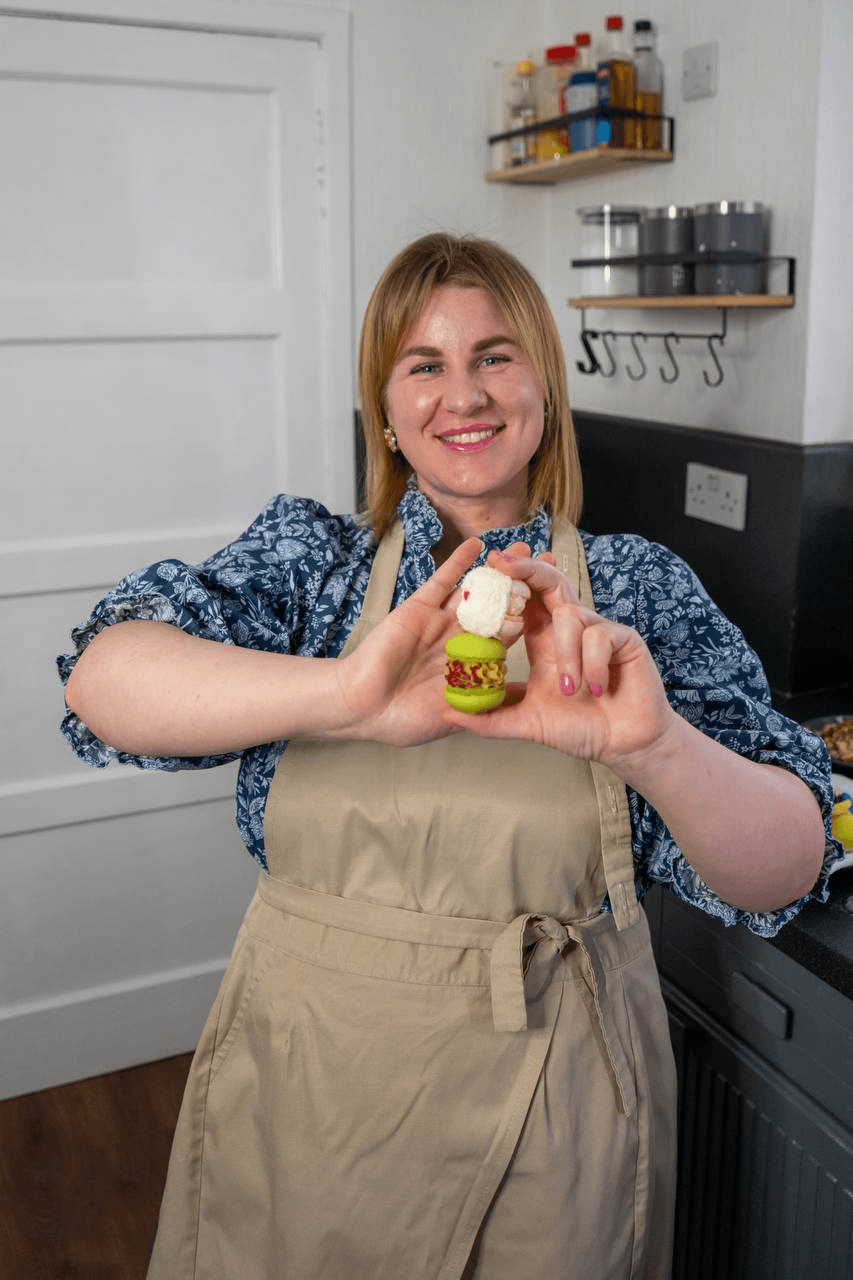
At Ira Cakes, Ukrainian pastry chef Iryna Hudei brings more than 15 years of confectionery experience to handmade celebration cakes prepared for customers in Edinburgh.
Her approach focuses on small-batch preparation and the relationship between sponge, cream, filling and decoration.
Rather than treating appearance as the only priority, the aim is to create a cake that works as a complete dessert.
Customers can explore handmade birthday cakes with recipe-compatible choices of sponge, cream and filling.
This approach provides an example of how flavour selection and personalised design can form part of the same ordering process.
8. Check the Portions and Practical Details
Even an excellent cake can be disappointing if it does not provide enough portions for the celebration.
Cake diameter alone does not determine how many people it will serve.
Height, number of layers and the intended slice size all influence the final serving count.
For example, a tall celebration cake may provide more portions than a shallower cake of the same diameter.
Wedding cakes are also commonly cut into smaller portions than cakes intended to provide a substantial dessert.
Before ordering, discuss the number of guests and how the cake will be served.
You can also consult a cake size and serving guide to understand the options available for different celebrations.
Finally, confirm the total price, included decorations, collection or delivery arrangements and any storage requirements.
These practical details are important parts of a successful order.
Five Questions to Ask Before Buying a Celebration Cake
You do not need professional baking knowledge to make a more informed choice.
Before confirming an order, ask:
- Which sponge and filling combinations do you recommend? A clear explanation helps establish whether the maker understands flavour balance.
- Can I see photographs of cakes you have actually made? Genuine work provides more useful evidence than generic promotional images.
- How many portions will this design provide? The answer should reflect the cake’s actual dimensions and intended serving style.
- What allergens are present, and how should the cake be stored? The maker should provide accurate, practical information.
- What is included in the price, and how will the cake be delivered? Clear arrangements reduce the risk of surprises.
What Should You Check When the Cake Arrives?
When receiving a cake, inspect the packaging and overall condition before the celebration.
The box should be suitable for the product, and the cake should not appear to have shifted or suffered damage during transport.
Check that the requested design, message and decorative details are present.
If the cake requires refrigeration, follow the supplied storage instructions promptly.
Once it is cut, look at the consistency of the layers and the balance between sponge and filling.
The final judgement comes from eating it. The texture should be appropriate for the recipe, the flavours should complement one another, and the filling should not overwhelm the sponge.
Final Thoughts: What Defines a High-Quality Celebration Cake?
A genuinely high-quality celebration cake brings several elements together: well-prepared sponge, complementary fillings, carefully selected ingredients, professional finishing and safe handling.
No single feature tells the whole story.
Beautiful decoration matters, but it should be supported by excellent flavour and thoughtful preparation. Similarly, handmade production and premium ingredients have value only when they contribute to a successful finished cake.
For customers looking for a celebration cake in Edinburgh, checking real product photographs, ingredients, serving guidance and food safety information is a sensible starting point.
Ultimately, the best cake is one that looks beautiful, tastes enjoyable, arrives in excellent condition and is appropriate for everyone it is intended to serve.